

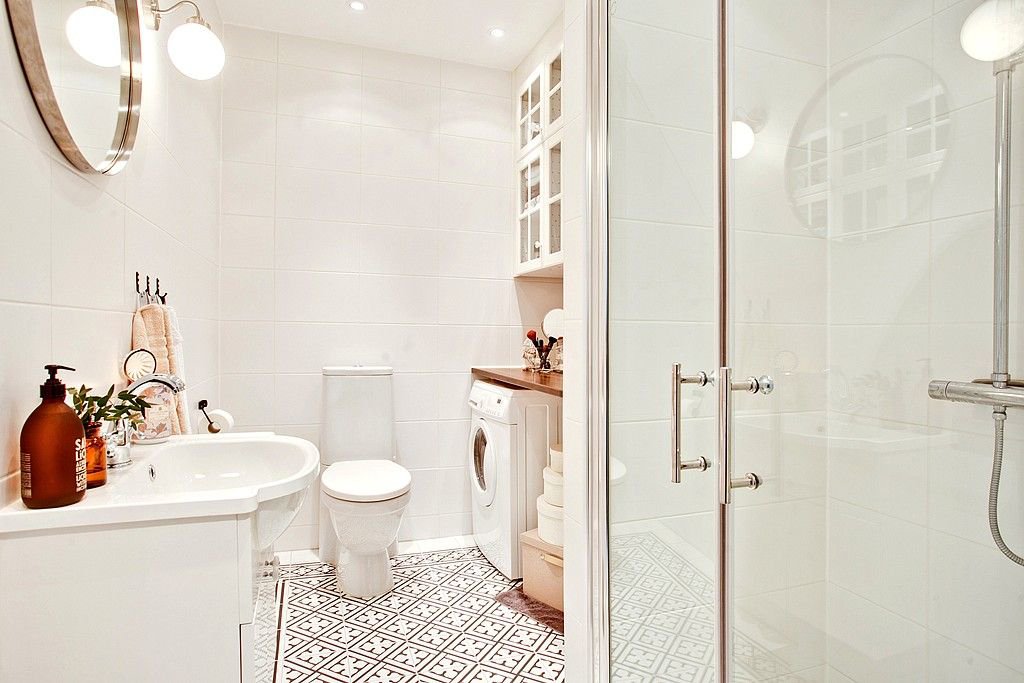
A well-planned bathroom is not just about good looks—it’s about comfort, safety, hygiene, and long-term functionality. However, many homeowners unknowingly make planning mistakes that lead to poor space utilization, water issues, high maintenance, and daily inconvenience.
At Watero Sanitary, we believe smart bathroom planning starts with the right knowledge and the right sanitary solutions. In this guide, we highlight the most common bathroom planning mistakes and explain how to avoid them for a better, more efficient bathroom experience.
1. Poor Bathroom Layout Planning
One of the most common mistakes is designing a bathroom without considering movement space and fixture placement.
Problems caused by poor layout:
-
Congested movement
-
Difficult access to fixtures
-
Uncomfortable daily use
How to avoid it:
-
Plan clear movement paths
-
Ensure enough space between WC, washbasin, and shower
-
Choose compact sanitaryware for small bathrooms
Proper layout planning improves comfort and usability.
2. Ignoring Proper Ventilation
Bathrooms without good ventilation often face moisture buildup, bad odour, and mold issues.
Why this is a mistake:
-
Trapped humidity damages walls and fittings
-
Promotes bacteria and mold growth
How to avoid it:
-
Install exhaust fans or windows
-
Ensure continuous air circulation
-
Use moisture-resistant materials
Good ventilation keeps bathrooms fresh and hygienic.
3. Choosing the Wrong Bathroom Flooring
Many people choose bathroom tiles based only on design, ignoring safety.
Common flooring issues:
-
Slippery surfaces
-
Water pooling
-
Higher accident risk
How to avoid it:
-
Use anti-skid floor tiles
-
Prefer matte finishes
-
Ensure proper slope for water drainage
Safety should always come first in bathroom flooring.
4. Improper Selection of Sanitaryware
Oversized or poor-quality sanitary fittings can affect both comfort and durability.
Problems faced:
-
Frequent repairs
-
Water wastage
-
Reduced bathroom space
How to avoid it:
-
Choose space-efficient sanitaryware
-
Opt for high-quality WC, basins, and faucets
-
Select products designed for long-term use
Quality sanitaryware ensures reliability and comfort.
5. Ignoring Storage Requirements
Lack of storage leads to cluttered and unorganised bathrooms.
Common issues:
-
Toiletries scattered on counters
-
Difficulty maintaining cleanliness
How to avoid it:
-
Plan wall-mounted cabinets or vanity units
-
Use recessed shelves in shower areas
-
Opt for smart storage solutions
Good storage enhances both function and aesthetics.
6. Poor Lighting Planning
Bathrooms often suffer from inadequate or harsh lighting.
Why this matters:
-
Poor visibility during grooming
-
Uncomfortable ambiance
How to avoid it:
-
Combine ambient and task lighting
-
Ensure proper lighting near mirrors
-
Use moisture-safe light fixtures
Balanced lighting improves usability and mood.
7. Overlooking Water Drainage and Slope
Improper floor slope and drainage planning can cause water stagnation.
Problems caused:
-
Water accumulation
-
Slippery floors
-
Long-term structural damage
How to avoid it:
-
Ensure correct floor gradient
-
Install quality floor drains
-
Test water flow before final installation
Proper drainage keeps bathrooms dry and safe.
8. Choosing Style Over Function
Aesthetic-focused bathrooms often ignore daily usability.
Common mistakes include:
-
Designer fittings that are difficult to clean
-
Complex layouts that reduce comfort
How to avoid it:
-
Balance design with practicality
-
Choose easy-to-maintain sanitaryware
-
Focus on user comfort
Functionality should always complement design.
9. Ignoring Water Efficiency
Water wastage is a major issue in poorly planned bathrooms.
Why it’s a mistake:
-
Higher water bills
-
Environmental impact
How to avoid it:
-
Install water-saving faucets and WCs
-
Choose efficient flushing systems
-
Use high-quality valves and fittings
Water-efficient bathrooms are both eco-friendly and economical.
10. Not Planning for Long-Term Use
Trend-based designs may not age well.
Problems faced later:
-
Outdated look
-
Frequent renovations
How to avoid it:
-
Choose timeless designs
-
Invest in durable sanitary fittings
-
Prioritise quality over trends
Long-term planning saves cost and effort.
Final Thoughts
Avoiding these common bathroom planning mistakes can help you create a space that is safe, functional, hygienic, and visually appealing. Bathroom planning is not just about design—it’s about making everyday life easier and more comfortable.
At Watero Sanitary, we offer a wide range of premium sanitaryware and bathroom solutions designed to meet modern lifestyle needs with durability and efficiency.
